
Brick Repair
Brick Replacement and Mortar Restoration
Brick deterioration often develops slowly. By the time spalling, cracking or loose units are visible, moisture may have been working beneath the surface for some time. Early repair limits how far the damage spreads.
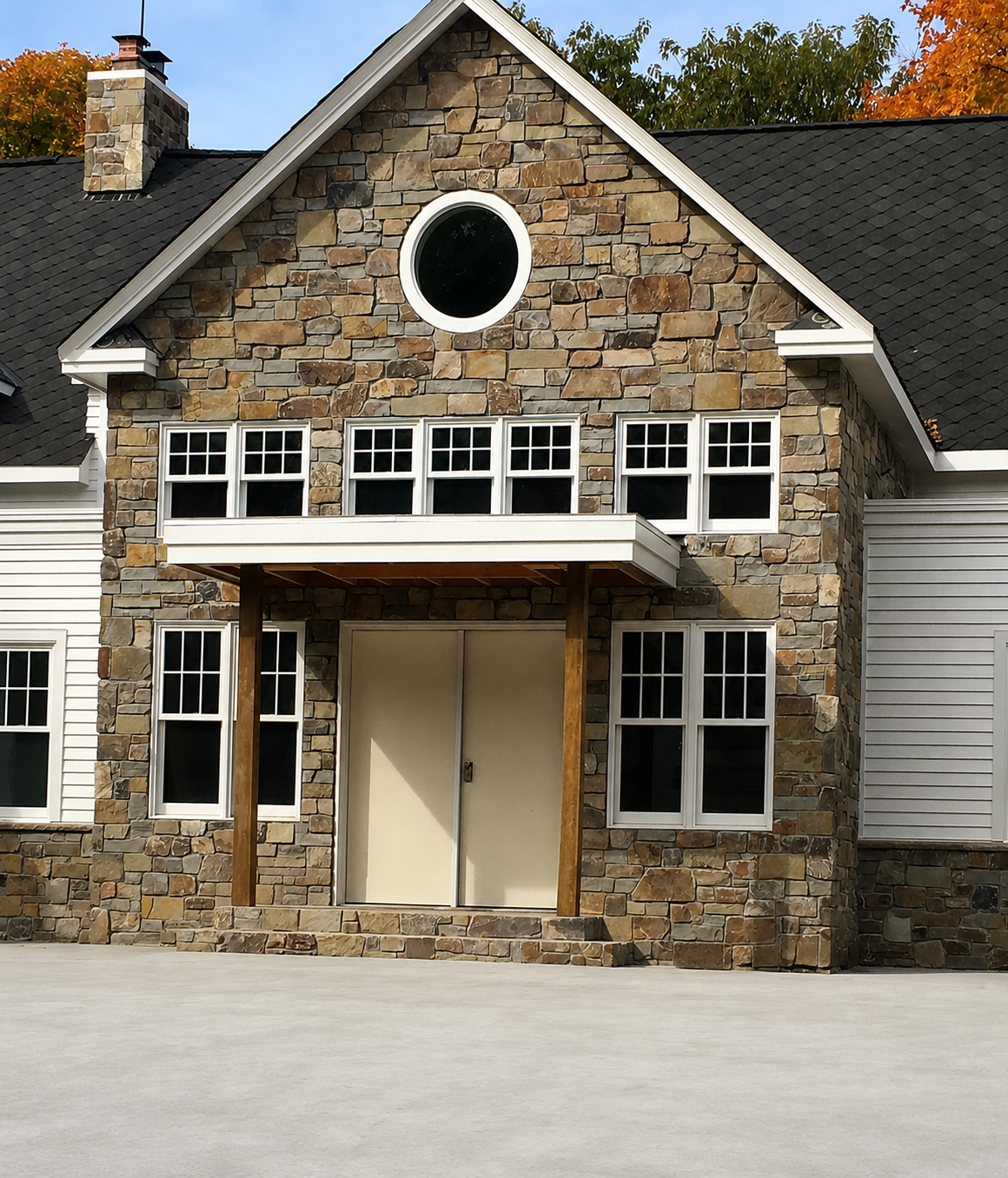
What Brick Repair Covers
- Flaking or spalled brick surfaces
- Cracked brick units
- Loose or displaced brick
- Brick front entry steps
- Brick entrances and thresholds
- Exterior brick walls and facades
What Causes Brick Damage
Moisture Infiltration
Water penetrates through failed mortar joints, cracks or poorly sealed surfaces. Over time it saturates the brick and causes internal damage that accelerates during freeze-thaw cycles.
Freeze-Thaw Cycling
Minnesota winters subject brick masonry to repeated expansion and contraction as moisture freezes and thaws. This mechanical stress progressively weakens mortar joints and brick faces.
Impact Damage
Physical impact from equipment, vehicles or falling debris can crack or dislodge individual brick units. These should be repaired promptly to prevent moisture from entering.
Age and Wear
Older mortar formulations — especially lime-based mortars — naturally soften over decades. As mortar fails, adjacent brick units become vulnerable to movement and water.
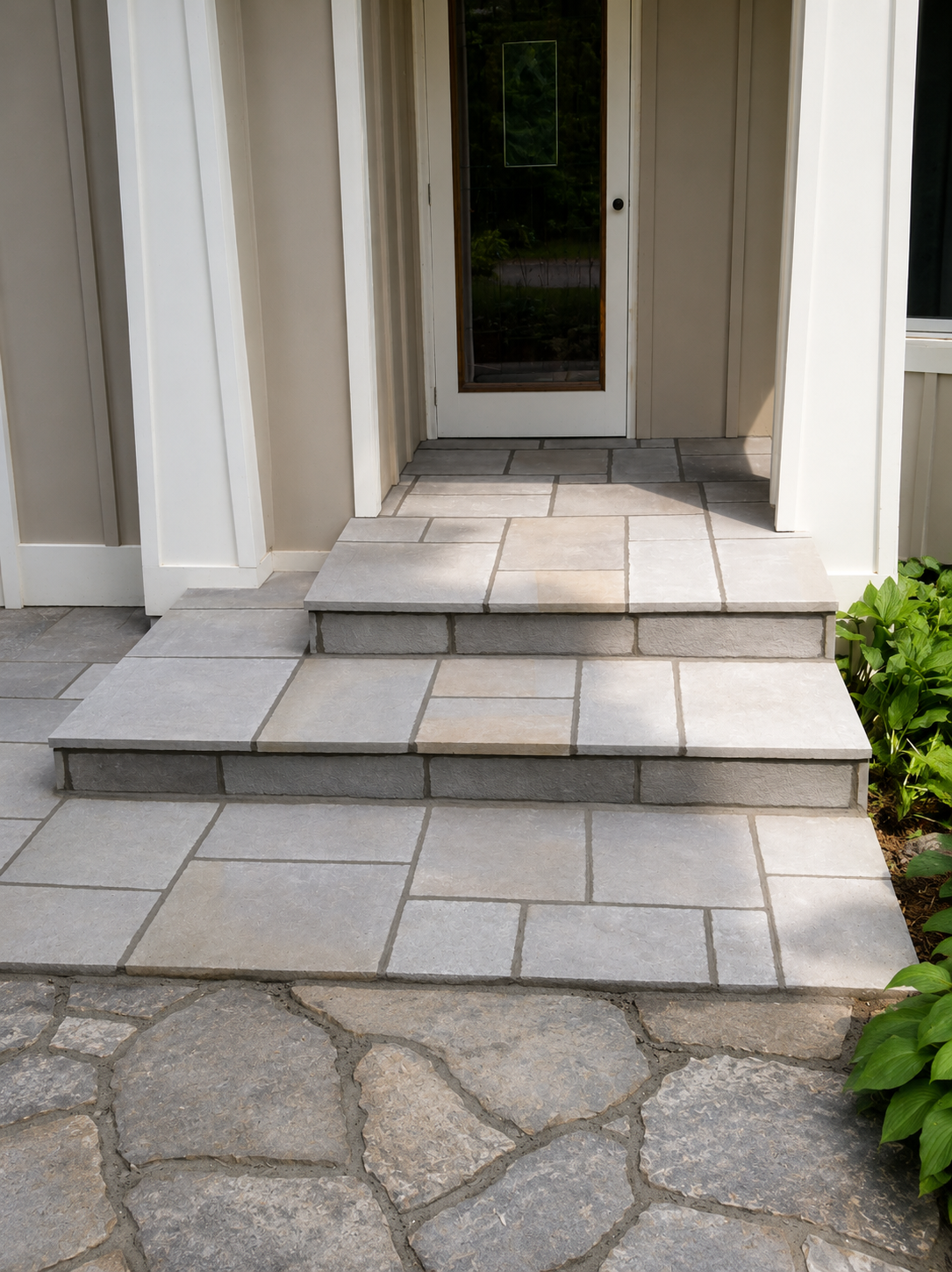
Featured Project
Stone Entry Installation — Chanhassen, MN
Common Questions
- Can individual brick units be replaced without disturbing the rest of the wall?
- In most cases, yes. A skilled mason can carefully remove damaged units and set replacements without disturbing the surrounding work. The success of the repair depends on the condition of the surrounding mortar and structure.
- Will replacement brick match the existing wall?
- Brick color, texture and size vary between manufacturers and production runs. An exact match is not always possible, particularly for older brick. Studer Masonry sources materials that are as close as practical and discusses any visible differences before proceeding.
- What causes brick to spall or flake?
- Spalling typically results from moisture entering the brick face and freezing. It can also occur if a brick was installed face-side inward, exposing a more porous surface. Addressing the moisture source is important alongside the brick repair.
- Does brick repair include the mortar joints too?
- Often yes. Replacing a damaged brick almost always involves removing and replacing the surrounding mortar joints as well. Studer Masonry addresses both the brick units and the mortar as part of a complete, lasting repair.
Related Services
Share a Few Photos of the Brick
Include the location and a short description of what you are seeing. Studer Masonry will review the information and follow up to discuss the next step.